
Beginner Guides, Buying Guide
Top 10 Tactical Accessories for Airsoft Players
Nov
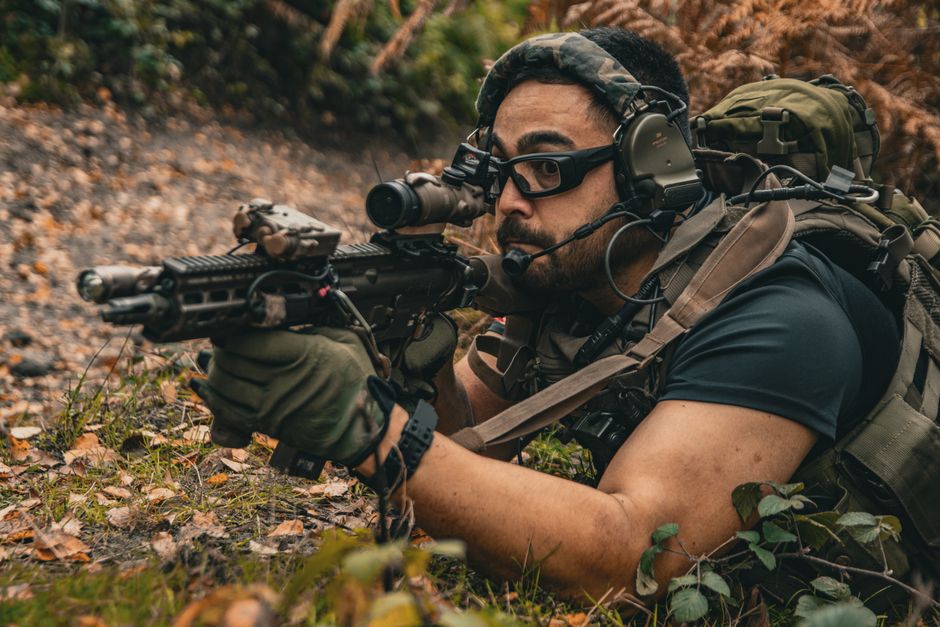
Tactical accessories for airsoft are the protective equipment, carrying systems, and field tools that help players play safely and manage their gear during a match. The right setup depends on your airsoft platform, the field’s rules, and whether you play short skirmishes or longer MilSim events. Beginners usually benefit most from dependable protection and simple magazine storage, while experienced players often refine their setup around a specific replica and role.
Start with gear that solves a real problem on the field, then add specialized accessories only when your play style calls for them.
TL;DR
- Protect your eyes first: Choose full-seal eye protection accepted by the field before buying optics or cosmetic gear.
- Match storage to your replica: Confirm that magazine pouches fit your magazine type and hold it securely during movement.
- Keep the load manageable: A belt or chest rig should carry the equipment you use without restricting your movement.
- Check field rules: Verify limits for radios, lights, face protection, and other equipment before game day.
Key takeaways
Build a safe, comfortable setup in order: protection, reliable magazine access, load carriage, then role-specific tools.
How tactical accessories for airsoft work together on the field
The 10 accessories worth considering
An airsoft accessory is useful when it improves safety, access, control, or comfort without getting in the way. These ten categories cover common needs, but no player needs every item for every match.
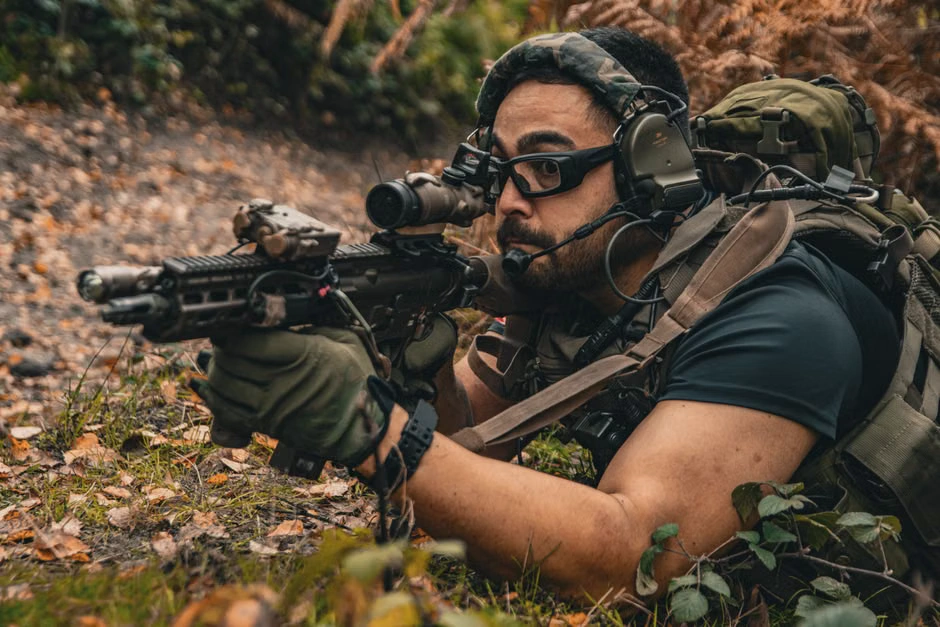
- 1. Full-seal eye protection: Make this your first purchase. Choose eye protection that fits your face, stays in place when you look down or turn quickly, and meets the field’s requirements. Test the fit with any helmet or face protection you plan to wear.
- 2. Lower-face protection: A mesh or other field-approved face guard helps protect teeth and facial areas that eye protection does not cover. Check how it sits with your goggles, especially around the nose and cheek line.
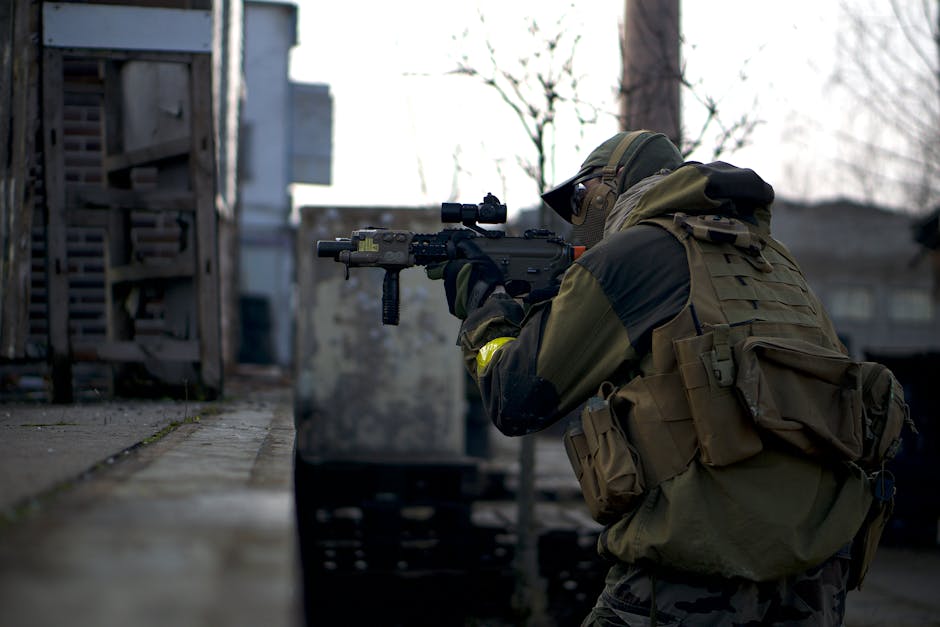
- 3. Chest rig or plate carrier: A rig keeps magazines and essentials accessible on your torso. A plate carrier adds coverage and a different fit, but it is not automatically the best choice for a light skirmish kit.
- 4. Magazine pouches: Buy pouches made for the magazine format you actually use. Test each magazine for a secure fit and a smooth draw; a pouch that is too tight can slow reloads, while a loose one risks losing a magazine during a sprint.
- 5. Tactical belt: A belt provides another place for pouches, a dump pouch, or other field-appropriate equipment. A ballistic nylon tactical pistol belt is one example of a belt option to compare with your loadout.
- 6. Sling: A sling helps retain a compatible long replica when you need both hands free. Check that the attachment points are secure and that the sling does not catch on your rig when you shoulder or transition the replica.
- 7. Gloves: Gloves add coverage when handling equipment and moving around outdoor terrain. Pick a pair that still lets you operate magazine releases, selectors, and other controls on your replica.
- 8. Hydration carrier or water bottle setup: Water access matters more during long outdoor games than a quick indoor session. Choose a way to carry water that fits your existing kit and does not block access to magazines.
- 9. Radio and headset: A radio can support team communication in organized games, especially when players are spread out. Check the event’s communication rules and test that the controls remain reachable with your gear on.
- 10. Optic or weapon light: These accessories serve different purposes and are not necessary for every replica or field. Confirm that the field allows the accessory, that it suits your replica, and that mounting it does not interfere with normal handling.
Build a setup that works as a system
These items interact. A chest rig can cover belt-mounted equipment, a sling can tangle with a loose pouch, and goggles can sit poorly beneath a helmet. Put on your complete setup at home, move through the positions you use in a match, and check that you can reach each magazine without shifting other equipment.
For a first loadout, keep the arrangement simple: eye and face protection, the magazines you need, and a comfortable way to carry them. Players comparing replica platforms can also read our guide to airsoft guns for beginners, since magazine type and platform choice affect which pouches and accessories make sense.
What changes the fit, time, and cost of your setup

Start with compatibility, not appearance
The replica and its magazine format shape your accessory choices. A pouch designed for one magazine profile may not hold another securely, even if both are for airsoft. Before ordering, identify the exact magazine type, compare the pouch’s intended fit, and check whether your reload method requires open-top access or a retention feature.
Your playing environment matters too. Indoor fields often reward a compact setup that stays clear of doorways and tight corners. Outdoor games and MilSim events can involve longer periods away from a staging area, making water, communication, and extra magazine storage more relevant. Field rules still take priority over any general gear recommendation.
Account for fit and the full load
A plate carrier or chest rig should sit securely without limiting your shoulder movement or breathing. Adjust it while wearing the clothing you use for play, then load the magazines and accessories you actually plan to carry. Empty gear can feel comfortable but sit differently once loaded. Check that straps, buckles, and pouch openings remain accessible while you crouch, kneel, or shoulder your replica.
Cost is affected by how much you are trying to solve at once. Eye and face protection, magazines, and a practical carrying method usually deserve attention before decorative additions or role-specific equipment. A 2026 airsoft gear budget guide can help you think through purchase priorities without assuming every player needs the same loadout.
Pro Tip: Before buying a full rig, place your current magazines and essentials on a table in the order you use them. That simple layout helps you choose pouch capacity and placement based on actual reloads rather than appearance.
A practical checklist before your first game with new gear
Fit, test, and adjust in order
Use this checklist before adding a new item to your regular loadout. Testing at home helps catch interference and poor fit before you are on the field.
- Check field requirements: Confirm what the venue accepts for eye and face protection, and ask about restrictions on lights, radios, or other accessories. A purchase is not useful if it cannot be used at the event.
- Try protection together: Wear your goggles, face protection, and helmet at the same time if you use all three. Look down, turn your head, and shoulder your replica to check for gaps or pressure points.
- Confirm magazine fit: Insert and remove every magazine from its intended pouch several times. Check retention while walking and bending, then make sure the draw remains consistent.
- Set pouch placement: Position magazines where your dominant hand can reach them without crossing over a sling, radio cable, or other equipment. Keep frequently used items easier to access than backups.
- Load the rig realistically: Put in the equipment you will carry during a match, not just the empty pouches. Check that the belt or carrier stays in place when you move and that buckles do not press uncomfortably.
- Test the sling: Attach it to the replica’s intended points and move through your usual handling positions. Make sure it does not block controls or catch on your magazine pouches.
- Check glove control: With gloves on, operate the replica’s controls and handle magazines. If the material makes those tasks awkward, choose a different fit before game day.
- Pack only useful extras: Carry water or communication equipment when the game format calls for it. Leave out accessories that add bulk but do not solve a specific need.
Pro Tip: Take a short video of yourself drawing a magazine and shouldering your replica in the complete loadout. It can reveal a pouch, strap, or sling that repeatedly catches when you move.
Ready to choose equipment that fits your replica and play style? Contact our team for help with your airsoft gear.
Our perspective on choosing airsoft accessories
We believe a useful loadout starts with protection and compatibility, not a long shopping list. A beginner does not need a fully outfitted carrier just to play a short match, and a MilSim player has different needs from someone who wants a compact indoor setup. The right choice is the one that fits the field, works with the replica, and stays comfortable through the game.
We would avoid buying accessories as a matching set before checking fit. Magazine pouches, belts, and carriers need to work together, and replica-specific details matter. A tactical helmet, for example, should fit with your eye protection and should not be treated as a substitute for proper eye protection. Players considering a carrier can compare options such as the Phantom Gear Reaper tactical plate carrier against their actual carrying needs.
Our range includes different airsoft platforms and tactical equipment, so we focus on helping players identify what will work with their intended setup. If an accessory adds weight, restricts movement, or does not suit the field, it is not a good fit simply because it looks tactical.
When to get help choosing specialized gear
Bring the details that affect compatibility
Get specialist guidance if you are building around an HPA setup, changing replica platforms, outfitting a MilSim role, or unsure whether your magazines will fit a pouch. The same applies when goggles, face protection, a helmet, and a headset need to work together. These combinations are easier to assess when the exact equipment is known.
Before the conversation, note your replica model and magazine type, the kind of games you play, what you already own, and any field restrictions you have been given. Photos of your current setup can help explain fit or access problems. A good retailer should be able to explain compatibility, tradeoffs, and what an item does not solve, rather than steering you toward a larger loadout by default.
FAQ about airsoft tactical accessories
What tactical accessories should a beginner buy first?
Start with field-accepted full-seal eye protection and suitable lower-face protection. After that, buy the magazines required for your replica and a simple way to carry them, such as compatible pouches on a belt or rig. Gloves and other additions come after you have tested the basics. A beginner’s setup should be comfortable and usable, not loaded with accessories that have not been needed in a game.
Do I need a plate carrier to play airsoft?
No. A plate carrier is one way to carry equipment, but a belt or chest rig may be lighter and simpler for a short match. Choose based on the number of magazines and essentials you need, your movement, and the field format. If you do use a carrier, check that it fits over your normal clothing and does not prevent you from shouldering your replica comfortably.
How do I know whether a magazine pouch will fit my airsoft magazines?
Check the pouch’s intended magazine format against the exact magazines you own. Then test the fit with each magazine in hand: it should stay secure when you bend or move, but still come out smoothly during a reload. Do not assume that pouches labeled for a broad category will fit every magazine shape. If you use more than one replica, test each magazine type separately.
Are radios and hydration useful for every airsoft game?
They are most useful when the game format calls for them. A radio can help coordinate a team over a larger play area, while hydration becomes more relevant during longer outdoor sessions. Neither item replaces checking event rules or planning what you will carry. For a short match near a staging area, a complex radio setup or large hydration carrier could add bulk without providing much value.
Should I buy an optic or weapon light before other accessories?
Usually, protection and reliable magazine access should come first. An optic or light only makes sense if it suits your replica, your play environment, and the field’s rules. Consider how you will mount it, whether it interferes with controls, and whether the accessory addresses a real need in your games. Cosmetic upgrades alone do not make a loadout more practical.
How Cqcairsoft helps you choose a practical setup
CQC Airsoft Canada offers airsoft guns, tactical gear, HPA equipment, and accessories for different experience levels and gameplay styles. Our team can help you think through compatibility and choose equipment around your replica, magazine format, and intended use. That is particularly useful when you are weighing a simple beginner setup against specialized gear for a particular role.
- Airsoft guns: Compare electric blowback, gas blowback, and HPA options alongside the accessories each setup calls for.
- Tactical gear: Explore carrying equipment such as belts, carriers, and helmets with fit and field use in mind.
- HPA equipment: Consider HPA components as part of a compatible system rather than as isolated purchases.
- Support and rewards: Get product guidance and learn about the rewards program while planning purchases.
Tell us what replica and magazines you use, and get help choosing your airsoft accessories.
Conclusion
The best tactical accessories for airsoft are the ones that keep you protected, make essential equipment easy to reach, and suit the game you actually play. Start with field-accepted eye and face protection. Then check magazine compatibility, choose a practical way to carry your kit, and add a sling, radio, hydration, or other specialized item only when it serves a clear purpose.
Your next step is simple: lay out your replica, magazines, protection, and current gear, then test how they work together before buying more. That check prevents common fit problems and gives you a clear list of what is genuinely missing. A focused setup is easier to use and easier to adjust as your airsoft experience grows.
