
Airsoft Guns, Beginner Guides, Buying Guide, HPA Academy
Can Airsoft Guns Be Used for Training? Benefits
Nov

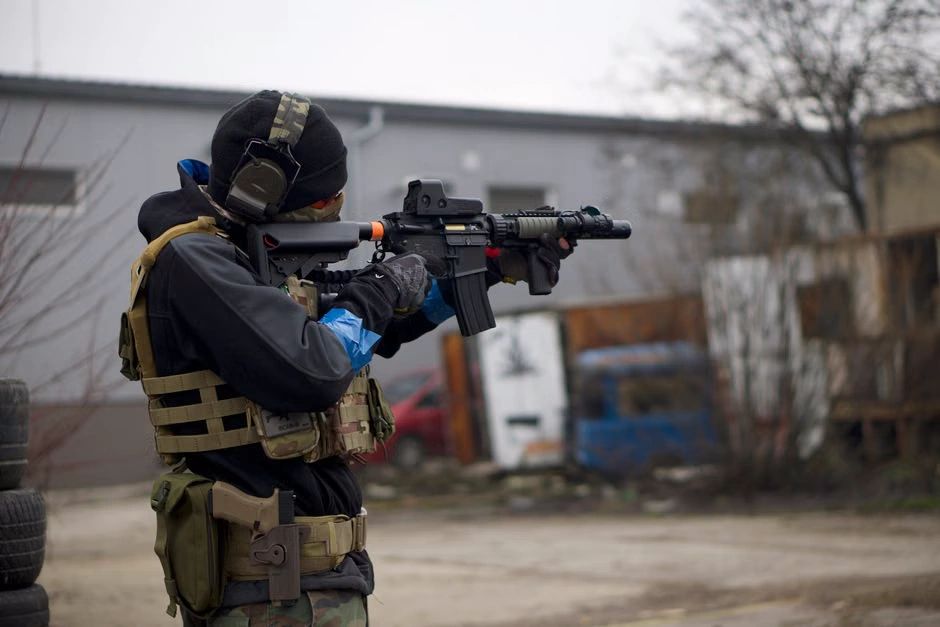
Yes, airsoft guns can support training by letting players practice target engagement, equipment handling, movement, and communication with a reusable projectile platform. They are most useful for airsoft skills and controlled scenario practice, not as a replacement for firearms instruction or live-fire training. Beginners can use them to learn safe habits before a first game, while experienced players can rehearse team roles, reloads, and objective play.
The value depends on a clear goal, suitable equipment, eye protection, and a controlled space.
TL;DR
- Best for: Practicing airsoft-specific handling, target engagement, movement, and team communication.
- Not a substitute: Airsoft does not reproduce firearm recoil, noise, ballistic effects, or the consequences of live fire.
- Start simply: Choose a platform and target setup that fit the drill, then confirm the field’s rules and protective gear requirements.
- Train with control: Use a defined firing line or scenario boundary, eye protection, and a clear stop signal.
Key takeaways
Airsoft training works best when the drill matches the equipment and the goal stays within what an airsoft replica can realistically teach.
What airsoft can teach, and where the limits are

The skills that transfer within airsoft
Airsoft guns for training are useful because the platform lets a player handle equipment and make decisions while engaging visible targets or other players in a controlled setting. A beginner can practice keeping the muzzle pointed in a safe direction, identifying the selector position, shouldering a rifle consistently, and reloading without fumbling with a pouch. Those habits make a first game less confusing.
For experienced players, the useful lessons are often about the whole setup rather than the gun alone. An AEG, gas blowback pistol, and HPA platform each have different controls, magazines, power sources, and maintenance needs. Practicing with the same type of platform and magazine arrangement used in a game helps reveal whether a sling, chest rig, or belt setup is getting in the way.
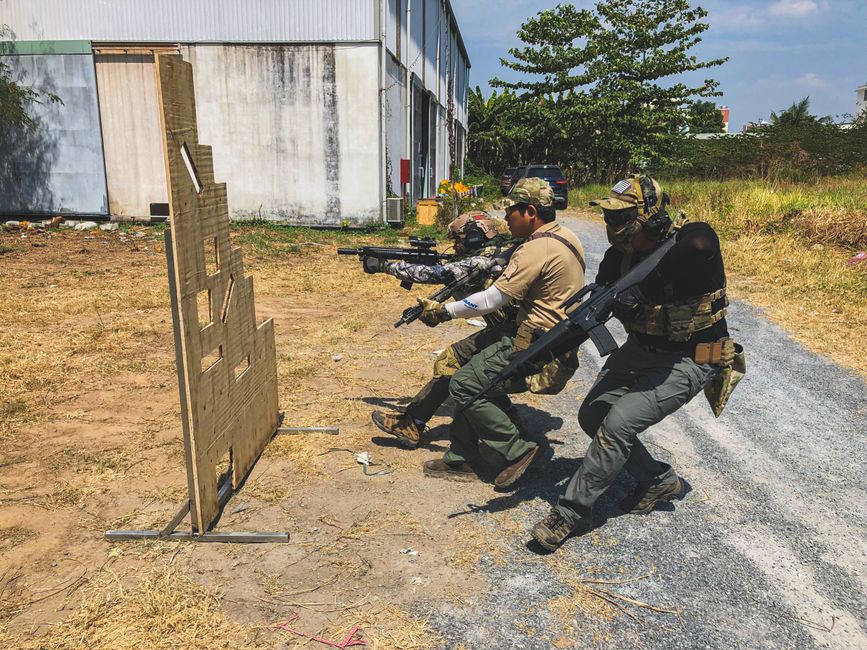
Airsoft training benefits also include team communication. A small group can rehearse callouts, movement between marked positions, room-entry decisions in a purpose-built airsoft environment, and how to respond when a teammate calls hit. These drills are only useful when all participants know the boundaries, safety rules, and stop signal.
What the platform cannot reproduce
Airsoft projectiles do not recreate firearm recoil, muzzle blast, sound, terminal effects, or the mechanical behavior of a real firearm. A smooth airsoft trigger pull or blowback effect should not be treated as an accurate stand-in for a firearm’s controls. Airsoft for military training can describe a limited training application, but it does not make an airsoft replica a substitute for formal instruction, approved training tools, or live-fire practice.
The cost of confusing those roles is practical as well as safety-related. A player may build confidence in a habit that does not transfer to a different platform, or buy a high-powered replica for a drill that only needs a basic target setup. For Canadian players, transport, storage, field access, and local rules also need attention.
Requirements can vary by location and venue, so check the rules that apply to your equipment and destination before traveling.
A practical way to build an airsoft training session
Set the drill before choosing the equipment
- Name one training goal: Decide whether the session is for target accuracy, reload practice, equipment fit, communication, or an airsoft scenario. Combining too many goals makes it difficult to tell what needs improvement.
- Choose a suitable platform: Match the gun to the task. An AEG is a practical choice for many rifle drills because it uses an electric system and detachable magazines; a gas blowback pistol offers a different handling experience. Confirm magazine compatibility and operating requirements before buying additional gear.
- Prepare a controlled space: Use a designated airsoft range or private area where shooting is permitted. Set a firing line, target area, and safe direction, and keep uninvolved people away. Do not shoot toward public areas, roads, or anything beyond the backstop.
- Put protection and rules first: Wear properly rated full-seal eye protection suitable for airsoft, and use lower-face protection where required by the venue or drill. Agree on a start command, stop command, minimum engagement distance if relevant, and what happens when someone calls hit.
- Build a short, repeatable drill: Start with a stationary target and a consistent distance. When the basic task is safe and familiar, add one variable, such as a magazine change or a second target. Record what happened, including missed shots, equipment snags, or unclear team communication.
- Review the setup afterward: Check whether the sights, sling, magazine pouches, and controls were accessible during the drill. Inspect magazines and the power source according to the product instructions, then make one change at a time before repeating the session.
CQC Airsoft lists dedicated options such as the Acetech ACETarget S electronic airsoft training system and an airsoft metal target. Match a target to the intended platform and follow the product’s setup guidance rather than assuming every target suits every airsoft gun.
Pro Tip: For a reload drill, begin with unloaded magazines and a clear firing line. Add live airsoft rounds only after the movement is safe, the magazine pouch is positioned correctly, and everyone understands the stop signal.
Want help matching a platform or target to your practice plan? Contact our team about airsoft training gear.
Mistakes that make practice less useful
Avoid drills that outpace your equipment or skill
- Copying firearm drills as if the platforms were identical: Airsoft does not reproduce real firearm recoil, controls, or consequences. Keep the practice focused on airsoft handling, game decisions, and safe equipment use.
- Buying for a label instead of a task: A product described as a training weapon is not automatically the best fit for every player. Check the platform type, magazine compatibility, intended use, and the field rules that apply to your planned activity.
- Starting with complex force-on-force play: New players can lose track of muzzle direction, boundaries, and hit rules when a scenario has too many moving parts. Begin with a simple target drill, then add team movement once everyone follows the basic safety process.
- Ignoring power and maintenance requirements: AEGs, gas blowback guns, and HPA systems have different operating needs. Read the product instructions and check the battery, gas, air system, or magazine setup before a session; do not assume one platform’s routine applies to another.
- Using an unsuitable target or backstop: A target must be appropriate for airsoft use and installed in a safe direction. Stop if BBs are escaping the practice area, the target is damaged, or the backstop is not containing shots.
- Changing several pieces of gear at once: If you alter the gun, magazines, optic, and pouch layout together, a failure is harder to diagnose. Change one element, repeat the same drill, and note whether access or performance improves.
Pro Tip: Keep a short practice log with the platform, BB weight, target distance, magazine used, and the issue you noticed. Those details make it easier to distinguish a gear-fit problem from inconsistent technique.
A common beginner pitfall is choosing a powerful or complicated platform before learning what the local field allows. Our guide to the best airsoft guns for beginners can help narrow the starting point by platform and experience level. For a specialized shotgun-style option, read the specifications for the AK M870-type airsoft training shotgun and compare them with the venue’s rules before use.
Our perspective on using airsoft for practice
We see airsoft training as most useful when a player is honest about what they want to improve. For a new player, that may mean learning safe handling, getting comfortable with an AEG’s controls, and checking whether magazines are easy to reach in their chosen gear. For a MilSim participant, it may mean preparing a team communication plan or testing whether an HPA setup and load-bearing gear suit a long scenario.
We would avoid choosing equipment simply because it looks realistic or carries the word “training” in its name. Platform, power source, magazine fit, field limits, and intended drill matter more. An electronic target can support repeatable target work, while a force-on-force game is better suited to practicing airsoft decisions with other players. Neither teaches everything.
Our advice is to start with the simplest setup that meets the goal, confirm compatibility before buying extra magazines or accessories, and leave room to adjust after hands-on practice. Collectors may value a particular model’s design, but that does not automatically make it the right tool for a repetitive drill. A good setup serves the player and the session, not the other way around.
When to get help choosing equipment
Bring specifics to the conversation
Get specialist advice when you are comparing an AEG, gas blowback, or HPA setup; adding magazines or adapters; building a target practice area; or preparing equipment for a field or MilSim event with restrictions. Compatibility is a frequent source of frustration. A magazine that fits one model may not fit another, and power-source requirements are not interchangeable.
Before you contact a retailer, write down the platform you own or plan to buy, the magazine model, how you intend to use the gear, and any limits supplied by your field or event. Include the target type and approximate practice distance if you are choosing a target system. For HPA, describe the components already in your setup so the discussion can focus on system compatibility rather than assumptions.
A good retailer should explain what is known from the product specifications, identify compatibility questions, and be clear about what still needs to be confirmed with a field or local authority. They should not claim an airsoft replica reproduces firearm training or promise that a particular setup will suit every player.
Frequently asked questions
Can airsoft guns be used for real firearm training?
Airsoft guns can support limited practice in areas such as equipment familiarity, target engagement, and decision-making in a controlled scenario. They do not reproduce firearm recoil, muzzle blast, ballistic behavior, or the consequences of firing a real weapon. Do not use airsoft practice as a substitute for qualified firearms instruction or approved training. Keep each drill within airsoft’s capabilities and follow the rules of the venue.
What are the main airsoft training benefits for beginners?
Beginners can learn safe muzzle direction, how controls and magazines work, how to wear and adjust basic gear, and how a game handles boundaries and hit calls. A simple target drill also gives a new player a chance to practice a consistent stance and sight picture before adding movement. These are airsoft-specific skills, and they do not guarantee performance with another platform.
Is an AEG, gas blowback gun, or HPA system best for practice?
There is no single best platform for every drill. An AEG can suit repeatable rifle practice, while a gas blowback pistol offers a different handling and magazine experience. HPA setups have their own system and equipment considerations. Choose based on the platform you use in play, the drill’s purpose, compatibility, maintenance requirements, and field rules. Check specifications before purchasing additional magazines or accessories.
What safety equipment should I use for airsoft target practice?
Use full-seal eye protection designed for airsoft and add lower-face protection when the venue requires it or the drill involves other players. Set the target so shots travel toward a suitable backstop, keep bystanders outside the practice area, and agree on a stop signal. Inspect the target and surrounding area before starting. Follow the specific field rules and product instructions for the gun and target.
Can I use airsoft training equipment for MilSim preparation?
Yes, selected equipment can help you rehearse airsoft-specific roles, communication, magazine access, and movement through a scenario. Test the same platform, pouches, and accessories you expect to use at the event, and check the event’s equipment rules before you travel. Target practice may help with repeatable aiming, but an electronic target cannot reproduce the changing decisions and team coordination of a MilSim game.
How CQC Airsoft helps with training gear
CQC Airsoft Canada carries airsoft guns, tactical gear, HPA equipment, and accessories for beginners and experienced players across Canada. For a training setup, the useful starting point is the actual drill: target practice, gear familiarization, or an airsoft scenario. Our team can provide product guidance so you can compare platform types and consider compatibility before choosing equipment.
- Target practice: Explore electronic and metal target options intended for airsoft use.
- Platform choice: Compare AEG, gas blowback, and HPA equipment based on how you play and practice.
- Gear planning: Consider magazines and tactical gear as part of the complete setup, not as isolated purchases.
- Ongoing shopping: The rewards program is available to support the broader shopping experience.
Tell us what you want to practice and what equipment you already own. Contact CQC Airsoft for product guidance.
Conclusion: choose a training goal first
Airsoft guns for training are valuable when the goal is specific: practice airsoft handling, check gear fit, work on target engagement, or rehearse team communication. They are not a substitute for firearm instruction, and their limits should shape every drill. The best next step is to write down one task you want to improve, then choose a platform, target, and protective setup that fit that task and the rules of your practice location.
If you are new to airsoft, keep the first session simple and confirm that the gun, magazines, and target are compatible. Experienced players can test the exact equipment layout they plan to use at a game or MilSim event. A focused setup makes it easier to spot what needs adjustment and keeps practice grounded in what airsoft can genuinely teach.
